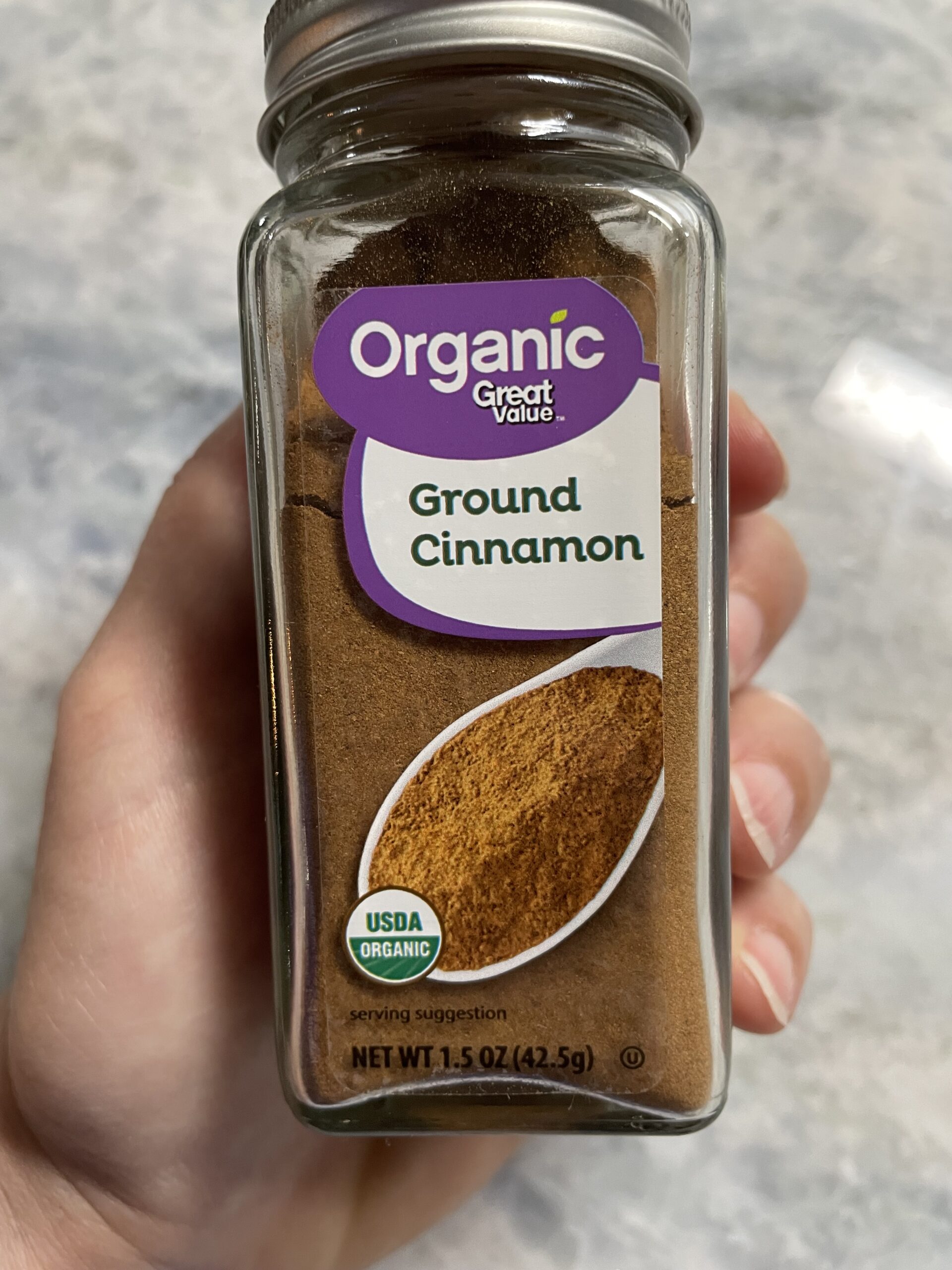
Spices are the unsung heroes of the kitchen, turning bland dishes into bold culinary masterpieces. From turmeric’s golden hue to cinnamon’s warming embrace, they elevate flavor—and often pack surprising health benefits. But not all spices are created equal, and recent consumer safety reports underscore why opting for organic, tested spices is worth it for both wellbeing and peace of mind.
Why Go Organic?
- Pesticide-free flavor boost
Organic certification ensures spices are grown without synthetic pesticides or herbicides—so you get cleaner flavors and no troubling chemical residues on your food. - Support for sustainable agriculture
Organic farms often prioritize soil health, biodiversity, and eco-conscious practices such as crop rotation and minimal tilling. This boosts long-term environmental resilience. - Potentially more nutrient-rich
Some studies suggest organic produce can deliver higher antioxidant levels, though research is still evolving. For those seeking maximum nutritional impact in herbs and spices, organic may offer an edge. - Tighter quality controls
Certified organic spices undergo rigorous traceability and regulatory scrutiny, including checks against heavy metals, microbial contamination, and other adulterants.
Spotlight: Lead in Cinnamon
A recent Consumer Reports study sparked alarm: of 36 cinnamon powders and blends tested, 12 exceeded New York State’s 1 ppm lead action limit—roughly one-third of the samples facebook.com+12consumerreports.org+12reddit.com+12reddit.com+11eatingwell.com+11researchgate.net+11dergipark.org.tr+9consumerreports.org+9foodandwine.com+9.
The brands with highest levels included small retailers like Paras (3.52 ppm), EGN (2.91 ppm), Mimi’s (2.03 ppm), Bowl + Basket (1.8 ppm), and Rani (1.39 ppm) eatingwell.com+2gimmethegoodstuff.org+2southernliving.com+2.
This isn’t just theoretical: the study was launched after a cluster of lead-poisoned children was traced to tainted cinnamon in apple-puree pouches foodandwine.com+5gimmethegoodstuff.org+5southernliving.com+5. Consumer Reports and the FDA have warned that “even a quarter teaspoon” of some contaminated cinnamon can exceed a safe daily lead intake youtube.com+9southernliving.com+9allrecipes.com+9.
Broader Research: Spices and Contaminants
Cinnamon isn’t the only offender. A 2024 Wiley study analyzing 1000+ spice samples found 95% contained lead or arsenic, while cadmium and other metals were also present onlinelibrary.wiley.com.
A November 2024 FDA recall expanded to include several cinnamon brands sold at Dollar Tree, Save A Lot, and Patel Brothers—following earlier recalls in March—highlighting how lead contamination isn’t isolated to obscure brands southernliving.com+3allrecipes.com+3verywellhealth.com+3.
There’s also the fungal threat: Turkish researchers found aflatoxin B1—a potent carcinogen—in 62% of organic spice samples, with cinnamon showing some of the highest levels: up to 53 µg/kg, and 44% of samples exceeding EU safety limits pmc.ncbi.nlm.nih.gov+1dergipark.org.tr+1.
Another European study showed conventional spices contained higher average levels of cadmium and lead than those sold in organic stores, suggesting that certified organic brands carry a lower contamination risk southernliving.com+7researchgate.net+7allrecipes.com+7.
Choosing Safe, Organic Spices
To help consumers stay safe, here’s a vetted list of trusted organic spice brands—all testing well below lead limits and frequently recommended by authorities:
| Brand | Highlights |
|---|---|
| 365 Whole Foods Market (Organic & Conventional) | Among the lowest in lead (0.02–0.12 ppm) dergipark.org.tr+2gimmethegoodstuff.org+2allrecipes.com+2 |
| Morton & Bassett San Francisco Organic Cinnamon | Reported 0.04 ppm lead |
| Simply Organic | 0.28 ppm lead; widely available |
| McCormick | 0.23 ppm lead; highly trusted brand |
| Trader Joe’s | 0.69 ppm lead; okay in moderation |
| Loisa Organic Cinnamon | Low lead levels; recommended by Food & Wine |
| Sadaf Cinnamon Powder | Among safest six in CR study |
| Sadaf Seven Spice blend | Multi-spice blend with low lead |
Tips for Spice Safety
- Buy organic, reputable brands – Choose certified organic spices that are third-party tested.
- Avoid bulk bins & loose spices – Origin, testing, and storage conditions are often unknown.
- Go whole (sticks, seeds) – Contamination is less likely in unground spices pmc.ncbi.nlm.nih.gov+15allrecipes.com+15verywellhealth.com+15verywellhealth.com+1dergipark.org.tr+1.
- Rotate brands – Helps avoid cumulative exposure to contaminants.
- Use variety – Eating many different spices lowers the risk of accumulating toxins from one source.