
Quick Answer: Yes, chiropractic care is widely recognized as safe when performed by a licensed professional. Serious complications are extremely rare, occurring in less than 1 in 2 million adjustments, and chiropractic care has a strong safety record compared to many common medical interventions. At Crossroads Chiropractic, we use gentle, precise techniques that are safe for patients of all ages, from newborns to seniors. Safety is our top priority, which is why we perform thorough examinations and take x-rays when necessary before beginning any care.
If you’re considering chiropractic care, you’ve probably wondered about safety. Maybe you’ve heard conflicting stories from friends, read something concerning online, or you’re just naturally cautious about trying any new approach to healthcare. It’s smart to be informed and careful, so you’re already on the right track!
And if you’ve spent any time on social media lately, you’ve probably seen those viral videos of extreme adjustments: dramatic twisting, aggressive “cracking,” and techniques that look more like wrestling moves than healthcare. Here’s what you need to know: many of those approaches pander to algorithms and clicks, not patient outcomes. They definitely get engagement and followers, but they’re not a benchmark for professional, evidence-based chiropractic care.
Let’s cut through the noise and look at what the research actually says about chiropractic safety, what makes care safe (or unsafe), and what you can expect when you visit a reputable practice like Crossroads Chiropractic in Pembroke, Meredith, Epping, or Bedford.
What Does the Research Say About Chiropractic Safety?
Here’s the bottom line: chiropractic care has an excellent safety record, particularly when you compare it to other common approaches for addressing back pain, neck pain, and related conditions.
The numbers: A study published in Scientific Reports examined nearly 1 million chiropractic treatments across 30 clinics and found that adverse events occurred in only 0.21 per 100,000 treatments, or approximately 1 in 500,000 sessions.
For perspective, you’re statistically more likely to experience serious complications from over-the-counter pain medications than from a chiropractic adjustment.
A comprehensive systematic review published in the journal Spine examined safety data from 1966 to 2007 and concluded that while minor side effects like temporary soreness are common (occurring in 33-61% of patients), serious adverse events are extremely rare.
Compared to other options: When people are dealing with back or neck pain, their options typically include:
- Pain medications (which carry risks of side effects, dependency, and organ damage with long-term use)
- Injections (which have their own risk profile)
- Surgery (which is invasive and carries significant risks)
- Physical therapy (generally safe, but less effective for certain structural issues)
- Chiropractic care (strong safety profile with good outcomes for many conditions)
The research consistently shows that chiropractic care falls on the safer end of this spectrum.
What Makes Chiropractic Care Safe?
Does that mean EVERY chiropractor’s practices are safe? Unfortunately, no. There are a few key factors that are important to be aware of.
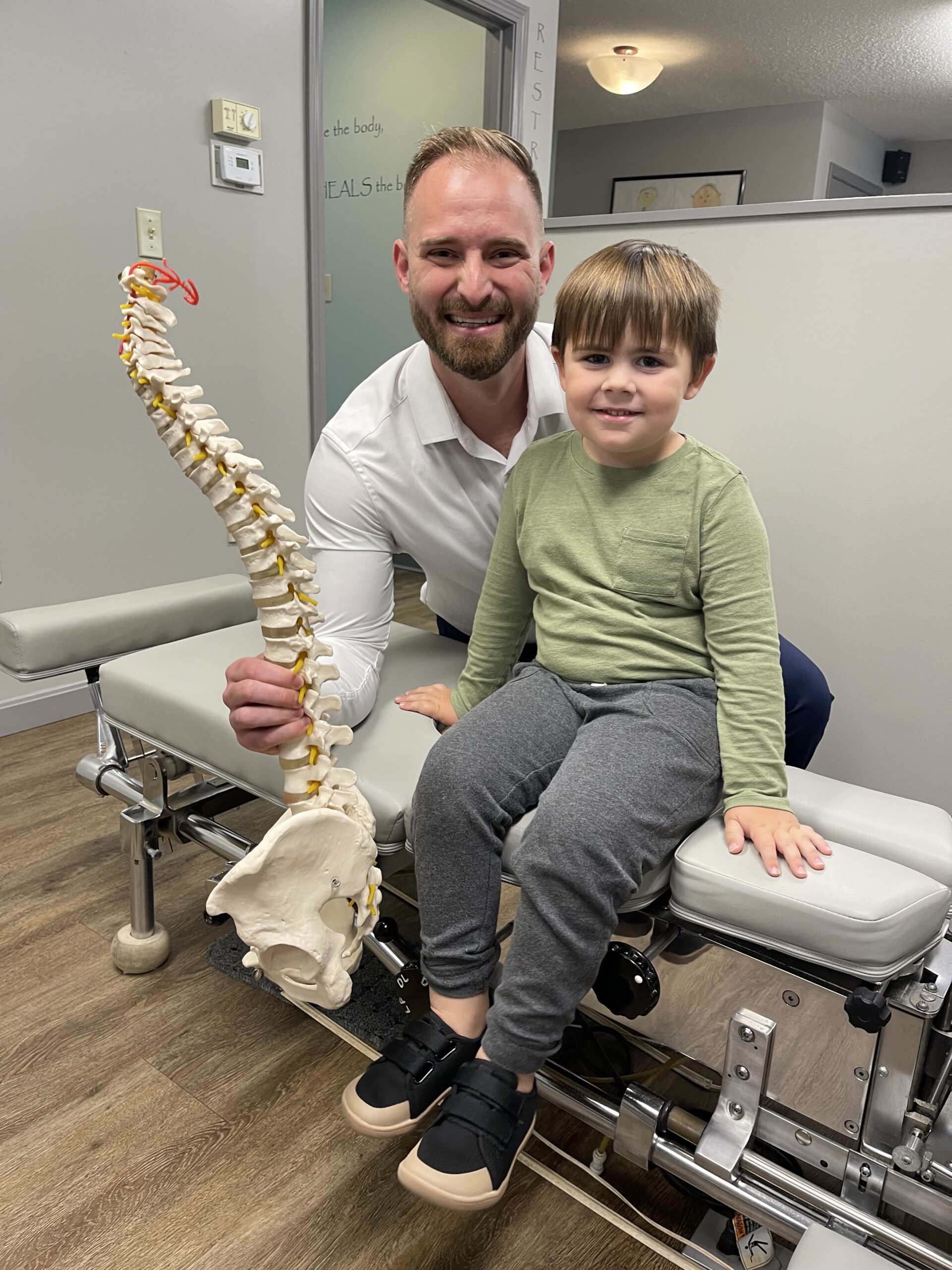
Proper training and licensing: Licensed chiropractors complete extensive education, typically a four-year doctoral program after undergraduate work. They’re trained in anatomy, physiology, neurology, radiology, and of course, adjustment techniques. In New Hampshire, chiropractors must be licensed by the state and maintain continuing education requirements.
Thorough evaluation before care: This is huge. A good chiropractor doesn’t just start adjusting you without understanding what’s going on. At Crossroads Chiropractic, we perform a complete consultation and examination before any care begins. This includes:
- Reviewing your health history
- Discussing your current concerns and symptoms
- Conducting a physical examination
- Taking x-rays when appropriate to visualize your spine’s structure
This evaluation process helps us identify any contraindications (situations where chiropractic care might not be appropriate) and develop a care approach that’s safe and effective for your specific situation.
Gentle, precise techniques: here’s where a lot of misconceptions come from. When people think “chiropractic,” they often picture aggressive twisting and “cracking.” That’s not what modern, evidence-based chiropractic care looks like.
We use gentle, specific adjustments designed to correct subluxations: misalignments in your spine that interfere with nervous system function. These adjustments are precise and controlled, not forceful or random. The goal is to restore proper alignment so your nervous system can function optimally, not to force your body into positions it doesn’t want to go.
Is Chiropractic Safe for Everyone?
Chiropractic care is safe for most people, but like any healthcare approach, it’s not appropriate in every situation. Here’s a realistic breakdown:
Safe for all ages: At Crossroads, we provide care for patients ranging from newborns to seniors. The techniques we use are adapted based on age, size, and condition. An adjustment for a baby with colic looks completely different from an adjustment for an adult with chronic back pain, and that’s exactly how it should be.
Safe during pregnancy: Many pregnant women find chiropractic care helpful for addressing the back pain, pelvic discomfort, and postural changes that come with pregnancy. We use specialized techniques and positioning to ensure both mom and baby are comfortable and safe.
When extra caution is needed: There are certain conditions where chiropractic care requires modification or might not be appropriate at all. These include:
- Severe osteoporosis
- Certain types of cancer affecting the spine
- Acute fractures or dislocations
- Severe inflammatory conditions
- Blood clotting disorders
This is why that initial examination is so important. We’re not just going through the motions, but are actively screening to make sure chiropractic care is safe for you specifically.
Common Safety Concerns Addressed
Let’s tackle some specific worries people often have:
“Can a chiropractic adjustment cause a stroke?”
This is the big scary question that circulates online. Here’s the reality: the risk of stroke following a cervical adjustment is extraordinarily low (less than 1 in 2 million adjustments), and research suggests that many of these cases involve people who were already experiencing symptoms of a stroke in progress before they visited a chiropractor.
In other words, they went to a chiropractor because they were having neck pain and headaches, which were actually early stroke symptoms, not because the adjustment caused the stroke. Large-scale studies have found no increased stroke risk associated with chiropractic visits compared to visits to primary care physicians.
“Will adjustments make my spine unstable?”
No. Proper chiropractic adjustments don’t create instability. In fact, by addressing subluxations and improving structural alignment, chiropractic care often improves spinal stability over time. The concern about instability usually comes from confusion between therapeutic adjustments and habitual self-manipulation (like constantly cracking your own neck or back, which can create problems).
“What about that ‘cracking’ sound?”
The release sound you sometimes hear during an adjustment is called joint cavitation. It’s caused by gas bubbles being released from the joint fluid, similar to when you crack your knuckles. The sound itself doesn’t indicate anything dangerous, and not all adjustments produce this sound. Some of our gentlest, most effective techniques are completely silent.
How We Prioritize Safety at Crossroads Chiropractic
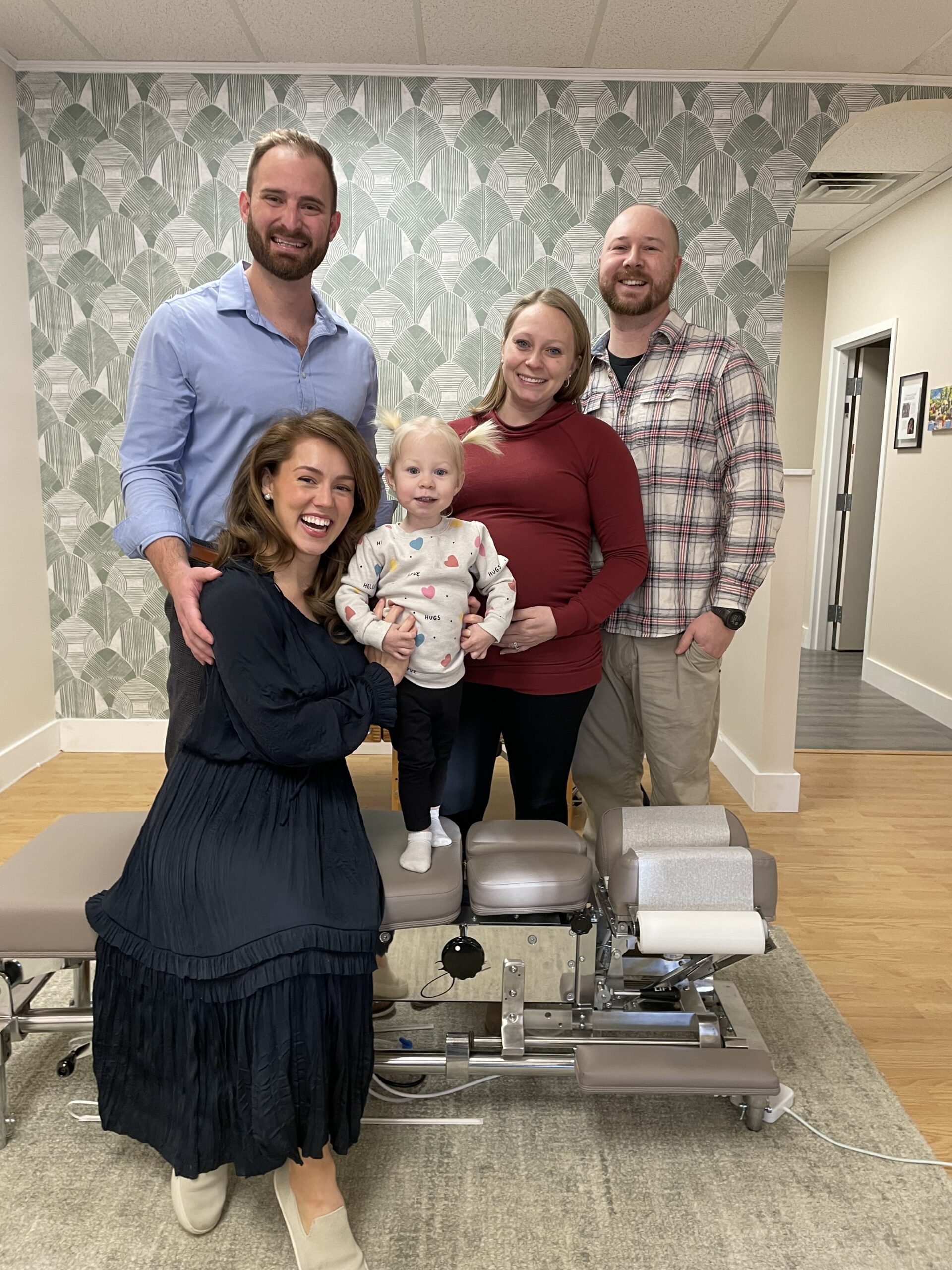
Safety isn’t just a talking point for us – it’s built into every part of how we practice.
Two-visit evaluation process: You won’t receive an adjustment on your first visit. Your first appointment (about 45 minutes) is dedicated to understanding your situation through consultation, examination, and x-rays if needed. Your second visit (about 60 minutes) is when we review our findings, explain our recommendations, and only then, if appropriate, provide your first adjustment. This deliberate process ensures we never adjust blindly.
Ongoing communication: We explain what we’re doing and why before every adjustment. If something doesn’t feel right to you, you can always speak up. You’re in control.
Gentle techniques for all ages: Whether you’re a state worker dealing with desk-related neck pain, or a parent from Bow bringing in your child for an evaluation, we adapt our approach to fit the individual. We use the minimum force necessary to achieve the desired correction.
Continuous education: Our team stays current with the latest research and safety protocols. Chiropractic care continues to evolve, and we evolve with it.
Knowing when to refer: Part of safe practice is knowing when chiropractic care isn’t the right answer. If we identify a condition during your examination that would be better addressed by another type of healthcare provider, we’ll tell you and help you find the right resource.
What About After an Adjustment?
Most people feel fine after an adjustment; many even feel immediate relief or a sense of relaxation. However, some people experience mild soreness for a day or two after their first few adjustments, similar to what you might feel after starting a new exercise routine. This is completely normal and typically resolves quickly.
Serious side effects are rare, but you should contact us immediately if you experience:
- Severe pain
- Numbness or weakness that’s new or worsening
- Headaches that are different from your typical pattern
- Any other concerning symptoms
That said, these situations are uncommon. Most patients experience positive changes as their body adapts to improved alignment and better nervous system function.
Making an Informed Decision
Here’s the thing: no healthcare approach is 100% risk-free. But when you look at the evidence, chiropractic care has a strong safety record, especially compared to many conventional approaches for addressing musculoskeletal issues.
The key is choosing a reputable practice that:
- Performs thorough evaluations before beginning care
- Uses evidence-based techniques
- Communicates clearly about what to expect
- Prioritizes your safety and comfort
- Knows when to refer you elsewhere if needed
At Crossroads Chiropractic, we’ve built our practice on these principles. We’ve been voted 1st place in the Cappies (Capital Area People’s Preference), and we think it’s because people in the Concord area appreciate our thorough, education-first approach.
If you’re dealing with back pain, neck discomfort, headaches, or other health concerns and you’re curious whether chiropractic care might help, and whether it’s safe for your specific situation, we’re happy to answer your questions.